Back to School Jitters: Helping Teens Cope with Academic Stress

The transition back to high school or middle school brings a unique set of pressures. For many teens, the end of summer marks the return of "perfectionism" and social evaluation. Academic stress is not just about grades; it is often tied to a teen's sense of self-worth and their fear of the future. Understanding these pressures is the first step in providing effective teen mental health support.
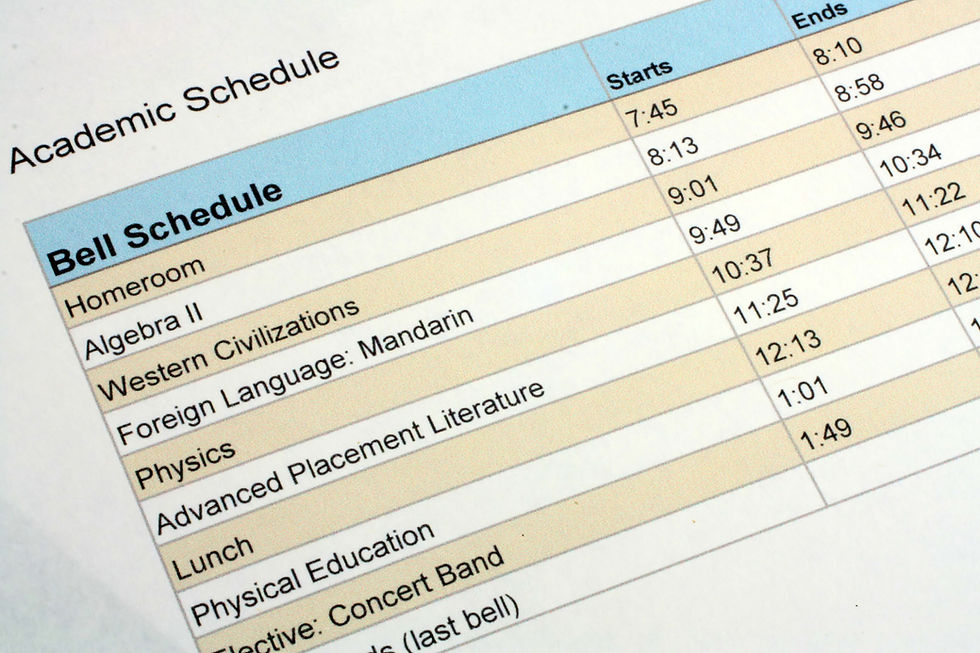
Common Sources of Teen Anxiety
Teenagers today navigate a high-pressure environment that extends beyond the classroom:
Academic Performance: The drive for high GPAs and college readiness can lead to burnout and "all-or-nothing" thinking.
Social Evaluation: The fear of being judged by peers, exacerbated by the 24/7 nature of social media.
Over-Scheduling: Balancing honors classes, sports, and extracurriculars often leaves little room for essential rest.
Re-Entry Anxiety: The physical and mental exhaustion of shifting from a relaxed summer pace to a rigid 7:00 AM start.
Practical Coping Tools for Teens
When stress hits a peak, teens need concrete tools to regulate their nervous systems. Here are several strategies we use in teen therapy:
The 5-Minute Rule When a project feels overwhelming, the brain often defaults to avoidance. Encourage your teen to commit to just five minutes of work. Often, the hardest part is starting; once the timer goes off, the task feels more manageable.
Cognitive Reframing Help your teen challenge "catastrophizing" thoughts. If they think, "If I fail this math test, I’ll never get into college," guide them to a more balanced thought: "One test is a small part of my grade, and I can ask for help if I don't understand the material."
Digital Boundaries Academic stress is often amplified by late-night scrolling. Encourage a "tech dump" 30 minutes before bed. Removing the blue light and social comparison allows the brain to enter the deep sleep necessary for focus and emotional regulation.
How Parents Can Support
Your role is to be a "secure base." Avoid focusing solely on grades when your teen walks through the door. Instead, prioritize their internal experience:
Listen Without Fixing: Sometimes a teen just needs to vent about a difficult teacher or a social slight. Validate their feelings before jumping into "fix-it" mode.
Model Balanced Living: Show your teen that you value rest and hobbies, not just productivity.
Watch for Warning Signs: If your teen experiences significant changes in sleep, appetite, or withdrawal from friends, it may be time to seek professional teen therapy.
Building Long-Term Resilience
Academic stress is an opportunity to learn lifelong coping skills. By addressing these jitters early, you help your teen build the mental strength needed to navigate the challenges of adulthood.
Is your teen struggling to manage the pressure of the new school year? Schedule a consultation today to learn how teen therapy can provide the tools they need to thrive.


Comments